Marketing is an ever-evolving field. This blog contains my thoughts on current topics and helpful resources in the marketing field.
Employee Morale
Employee morale can have a significant impact on productivity. Each day, you spend eight hours of your life at work around people who can be drastically different from yourself. If the work is fulfilling, it can seem rewarding and exciting to be there. If the work is not fulfilling, it can feel like a drag. Enter employee morale. Even if the work is not as fulfilling as it could be, if it is a positive work environment with high levels of employee camaraderie, it may not feel as daunting to show up and work hard. However, if it is a negative environment, even the most fulfilling work can seem challenging.
One factor that can contribute to a negative environment is lack of employee camaraderie which stems from a more siloed work environment where employees don’t know each other well. They may see each other in the halls, but not know anything about eachother. This is why an internal employee newsletter can be so important. I previously worked in a department that had a monthly internal newsletter, but it mostly focused on department highlights and news. There was not much news specific to employees and the newsletter often went unread. I worked with my supervisor to add a birthday section. After some leadership pushback, we rolled it out and in just a few months, employees started wishing each other happy birthday in the hallways. Readership, based on a verbal poll I conducted across departments, went up. We began receiving praise from all levels about the birthday list and were asked to add more employee-centered content. We started including employee profiles and this further enhanced engagement. Over time, morale improved and instead of being a place where people showed up, did their job, and went home, it became a more inviting place where people made friends and enjoyed being there.
Adaptability
Adaptability is such an important skill to have to be successful in the workplace. Despite what your job description might say on any given day, your specific job that day may change. When I first started at the water department, I was brought in to enhance the social media presence. I was qualified to do so and hit the ground running. While I was working on that, I got to know my boss and the full range of her job responsibilities. She had had so many things to do, she often had to outsource tasks to me. As such, I began learning additional tasks outside my typical responsibilities as well as taking on projects that were in my wheelhouse, but a bit higher level than I was expecting, such as leading the development of the department’s overarching social media strategy or becoming the marketing co-chair of an international conference, I had no choice but to learn anything I did not already know on the fly. I did this by asking lots of questions and always keeping an open mind.
As I completed these tasks, I began to develop a reputation as someone who could handle anything put in front of him. My boss continued to give me more tasks and had me fill in for her at meetings as needed. I became the department’s go-to person for all things social media and eventually, my boss’ boss and the CEO took notice of my work and I became the company-wide go-to social media expert. This led to a promotion that formalized that role and further expanded my responsibilities which only gave me more room to learn and adapt. In the workplace, you may not always be positive what you will be working on any given day, so maintaining an open mind and a ability to adapt will ultimately lead to success.
Artificial Intelligence
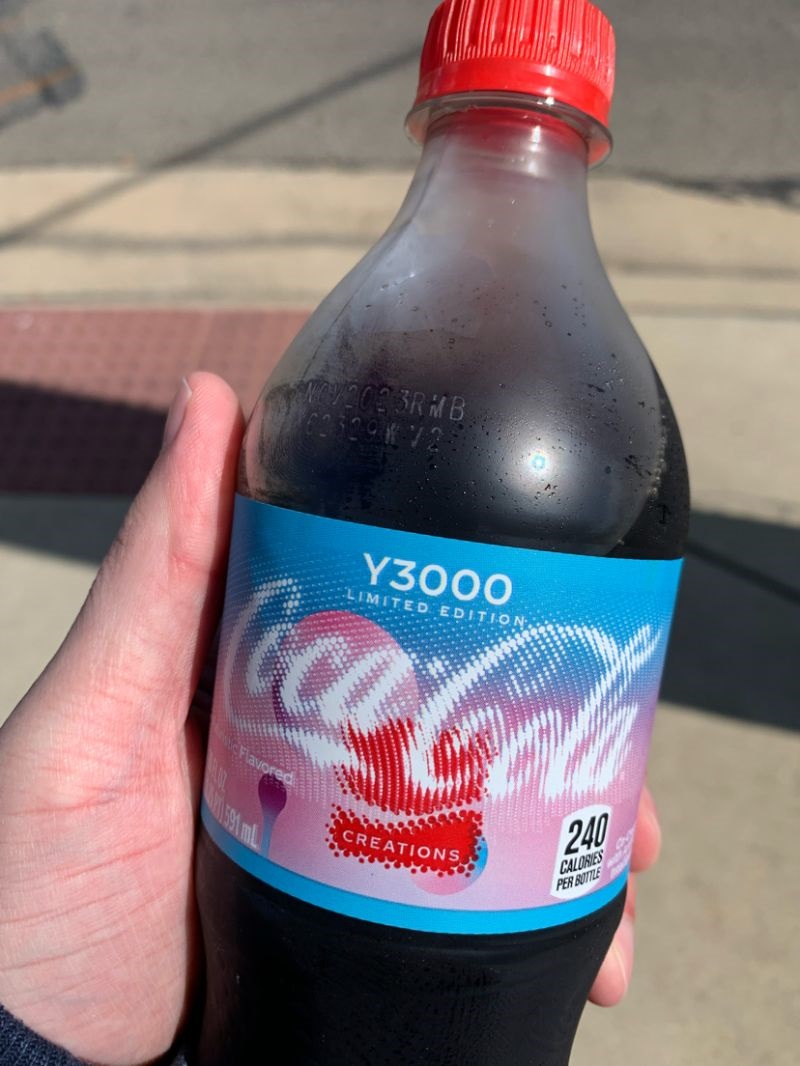
Artificial Intelligence (AI) is quickly permeating our society in seemingly every facet. From editing or rewriting copy for an internal email or generating travel plans for a weekend getaway, it seems to be enhancing our lives every day.
In 2023, Coke launched its Y3000 formulation which was designed by AI with minimal human intervention. I did not like the flavor nor did the colleagues I shared it with. I am not an expert in the F&B field, but as a consumer, I think as long as there is some human intervention, limited use of AI in selecting formulas for consumable products could be beneficial. I would still expect oversight and a rigorous product testing and approval process. Like with everything else, I imagine as AI improves, it’s ability to create appetizing creations will too.
One of the most recognizable names in AI is ChatGPT. I have been using ChatGPT since it first launched to the public and it took me a moment to get past the novelty and see the true value it offered. At first, I asked it to write episodes of some of my favorite tv shows. As time went on, I shifted to asking it to provide ideas for content and rewriting sections of a social media post or other text assignment I was working on. It seemed to perform these tasks well. However, I always double-check its work for grammar and spelling as I have occasionally caught it using an incorrect word or spelling. When 4.0 came out, I noticed a significant leap in the quality of its output. I do think AI will be beneficial long term in certain aspects of society. It has its place. I understand a lot of people have fear and apprehension over AI, but as someone who has used it, I think it’s worth giving a chance. For me, I think of it like Wikipedia. It is a good place to get ideas and to get started. However, it still involves additional research and fact-checking. I have had ChatGPT return data points that are incorrect or made up, so it is a risk if you just accept its answers at face value. Overall, AI does have its place in our modern society and will continue to advance us forward. Just make sure to head a degree of awareness as you would with any human-generated content.
Virtual Work
We have seen in recent times how important it is to be able to work from anywhere. We also saw limitations on remote work and how there are benefits to meeting in person, such as socialization. When the pandemic first started, I was moved to working fully remote. It was a major change as I had never worked remotely before. Once I got a new workflow and communications set up, I hit my stride. I found I was highly productive without all the distractions being in person had. I completed a major project while working with my team fully remote. When the lockdown eased up, I was brought back into the office on a hybrid schedule. At first, I missed being fully remote, but I realized the benefits of the in-person socializing. Over time, I found I preferred this model. I could still have undistracted days at home to be highly productive, but I could still meet in person as needed and still get the important socializing aspects of working on a team.
When you work fully remote, socializing is more complex and has to be more intentional. You cannot simply turn your chair around or walk over to the next office. I found you often have to schedule time on your calendar.
One downside to a hybrid set up is transporting your laptop and equipment back and forth instead of leaving it in one place. This makes a permanent home-office set up less appealing and can make it challenging because you have to buy things in duplicates in case you left your mouse at home on your in-office day. Prior to remote work, I had offices in two separate buildings which I? would use on rotating days, os I already had the hybrid work mindset in place before my home office became my second office.
Overall, I enjoy hybrid set up and I hope that remains the new standard.
Industry Influencers
These are four of the people I follow on LinkedIn that keep me informed about current news and trends in marketing as well as ideas and strategies for optimizing productivity.
Kara Redman – owns her own ad agency, Backroom, and posts regularly about productivity tips. She also regularly initiates conversations about marketing which allow her followers to engage and help everyone learn and lift eachother up.
Ann Handley – wrote the book “Everybody Writes”. Her industry insights and hot takes on current trends are so easy to understand and her style is lively and engaging. She always has good ideas to help improve your content or improve your workflow.
Joe Pulizzi – co-host of the “This Old Marketing” podcast. He has been involved with creating numerous industry events such as CEX and Content Marketing World. He has extensive knowledge which he shares to help advance the industry. He also provides a unique perspective on current and emerging trends to enable you to see things in ways you may not have before.
Robert Rose – co-host of the “This Old Marketing” podcast. Has significant industry knowledge and experience which he shares and regularly engages his audience to facilitate meaningful industry-specific conversations.
My Favorite Industry Resources
Below is a list of some of the tools, apps, and blogs I rely on for productivity and continuing education.
Applications and Tools
Canva – content creation for social media graphics and tight turnarounds
Adobe Suite (Photoshop, InDesign, Illustrator, Lightroom) – for content creation that involves more nuance or has an end use for print.
ChatGPT – for idea generation (initial topic ideas as well as a new perspective to help me defeat writer’s block), assistance with converting posts for different social media platforms
Grammarly – For checking grammar
Blogs
Social Media Examiner – the latest social media news and trends
Hubspot Blog – a mix of social media and content news and trends
Content Marketing Institute – general content ideas, trends, and news
The Muse – workplace best practices and career tips from general to specific situations
Podcasts
This Old Marketing – the latest news across the marketing field
Language Learning
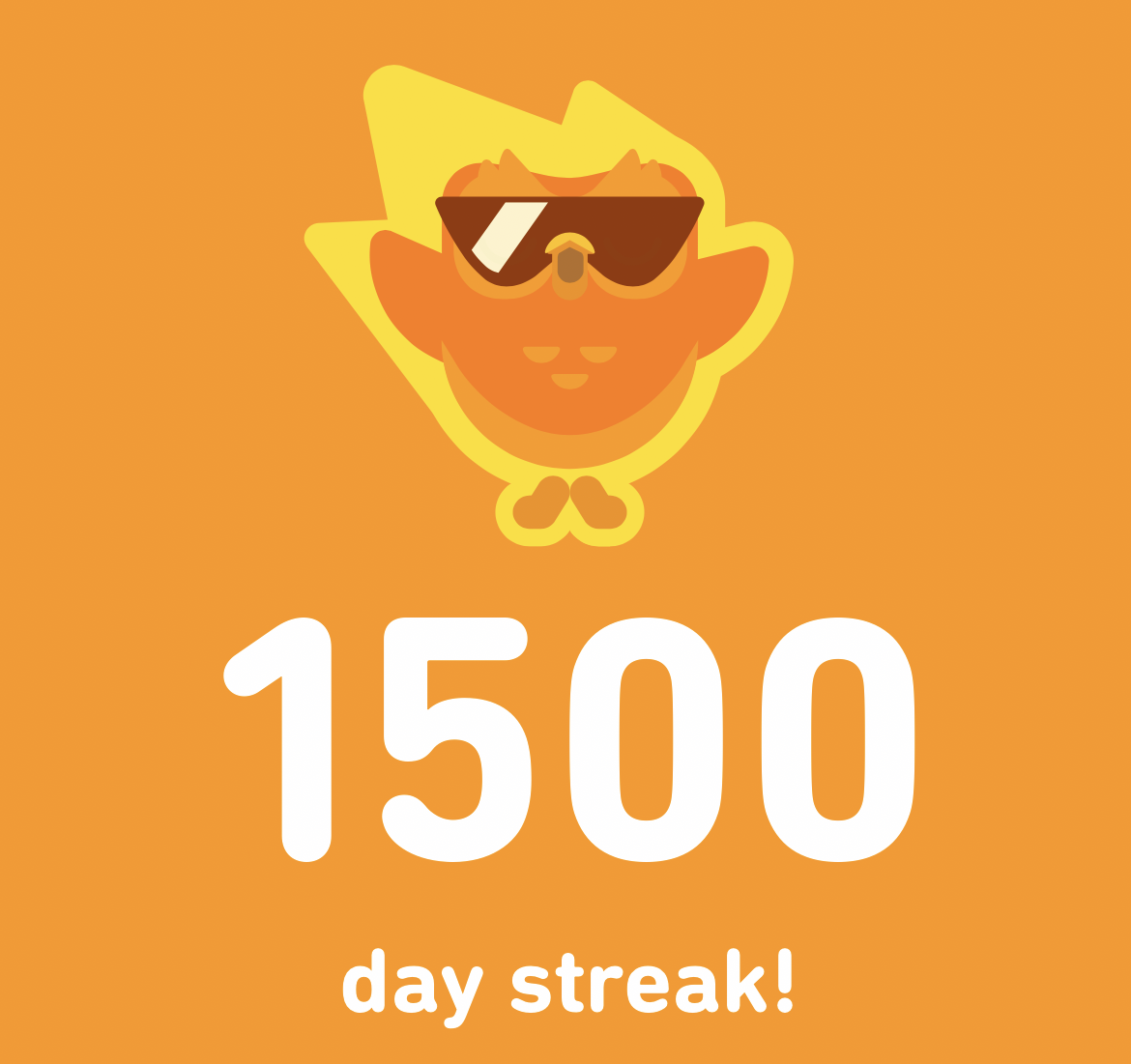
Not too long ago, I reached day 1500 on my DuoLingo streak in Spanish.
I had originally started using the app in 2014 as a way to keep up with the French I had learned in college. That fizzled out and I picked it up again early into the pandemic. I decided I would use my extra time to resume my language journey.
Am I fluent? No.
But I am able to read signs and understand, generally, what Spanish speakers are saying and reply with basic answers.
Even this limited proficiency has greatly enriched my life.
For example, the building I previously worked in is frequented by a multi-national constituency and there is often confusion related to navigation. As such, I have been afforded opportunities to help constituents select the correct floor on the elevator to get to their destination.
As the world continues to become more globalized, understanding of other languages and cultures only increases in importance. I plan to keep up the language learning and continue to enhance my value to society.
 Robert C. Breen